The music
What fado is made of
The singer, the twelve-string guitar, the viola, saudade, the two schools and the queen of fado: what to listen for in a fado show.
Reserve a seat for the fado hour ↗Quick answer
Fado is a song form with a singer, a Portuguese guitar with twelve strings, and a viola, built around a feeling the Portuguese call saudade. Wikipedia traces it to Lisbon in the 1820s, names Lisbon and Coimbra as its two main varieties, and notes that UNESCO recognised it as intangible heritage in 2011.
The singer
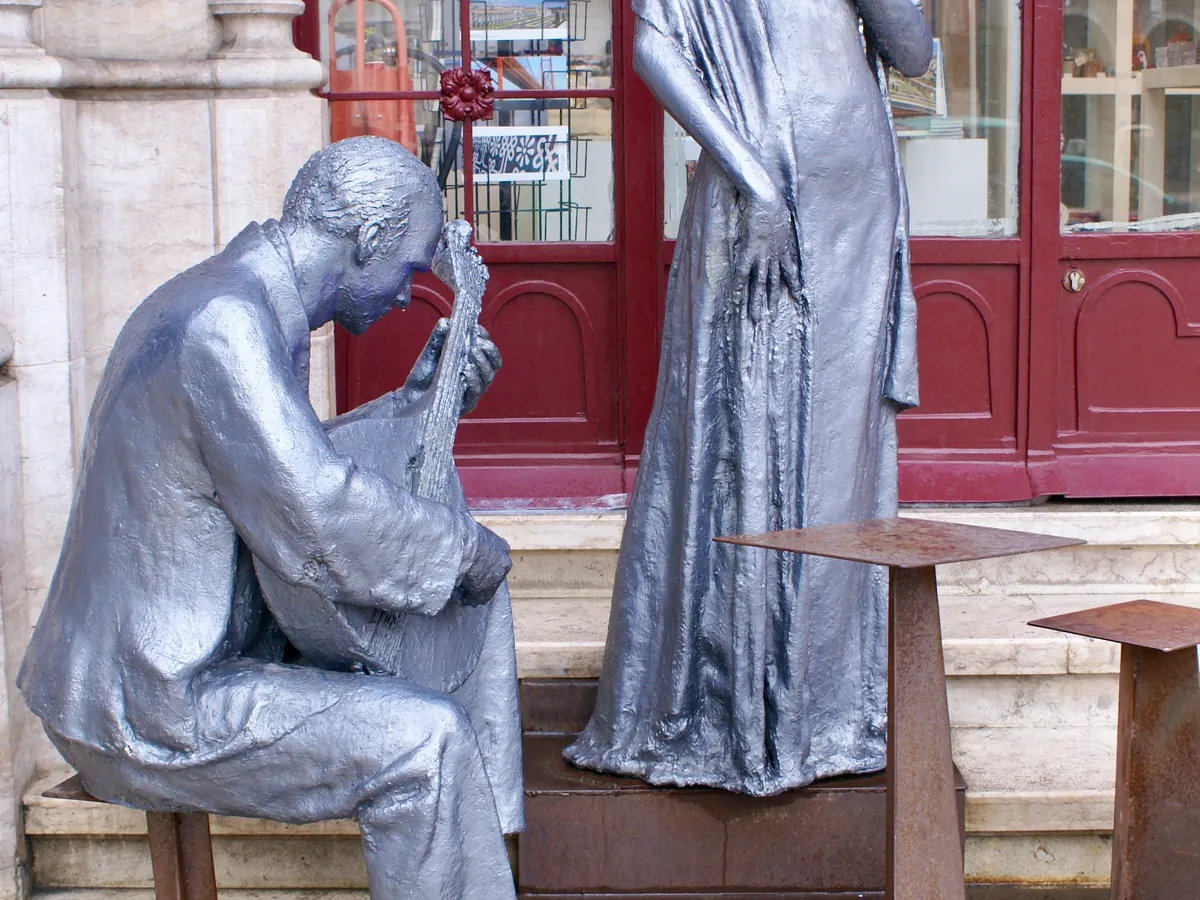
A fado singer is a fadista. Wikipedia says the mid-nineteenth-century performers were mostly urban workers, sailors and bohemians in taverns, who danced and kept time as well as singing. Later in the century the dancing dropped away and they simply sang. That is why a modern fado hour is built around a voice.
The twelve strings
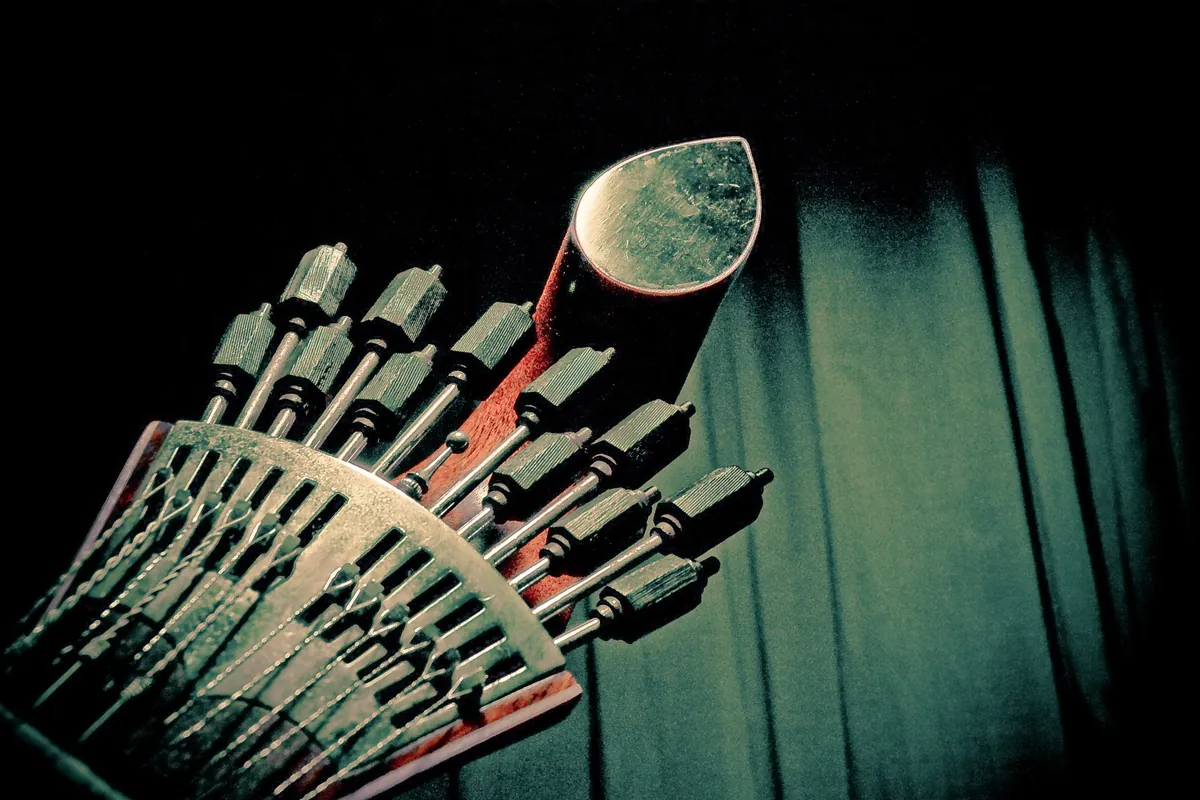
The guitarra portuguesa has a dozen steel strings paired into six courses and keeps its old watch-key pegs, which is why its head looks like a small fan. Wikipedia calls it iconically associated with fado and traces it to the medieval citole. Players pick the strings with the corners of their fingernails or with picks.
The viola
The viola, a classical guitar with steel strings, sometimes joined by a double bass, holds the harmony under the lead guitar. Listen for the pairing: the viola grounds the song, and the Portuguese guitar threads ornament above it.
Saudade
Saudade is the Portuguese word for a longing for something or someone absent. Wikipedia finds the word in thirteenth-century verse and says it is loosely tied to fado's mournful reputation. It also says fado can be about anything, so do not expect sorrow in every song.
Read next: Lisbon, Coimbra and Porto fado
Rubato and the held note
One stylistic habit Wikipedia names is rubato, in which a phrase closes, the accompaniment holds back and the singer lingers on a note for drama. That pause, more than any melody, is what listeners tend to take away.
Two schools, and one queen
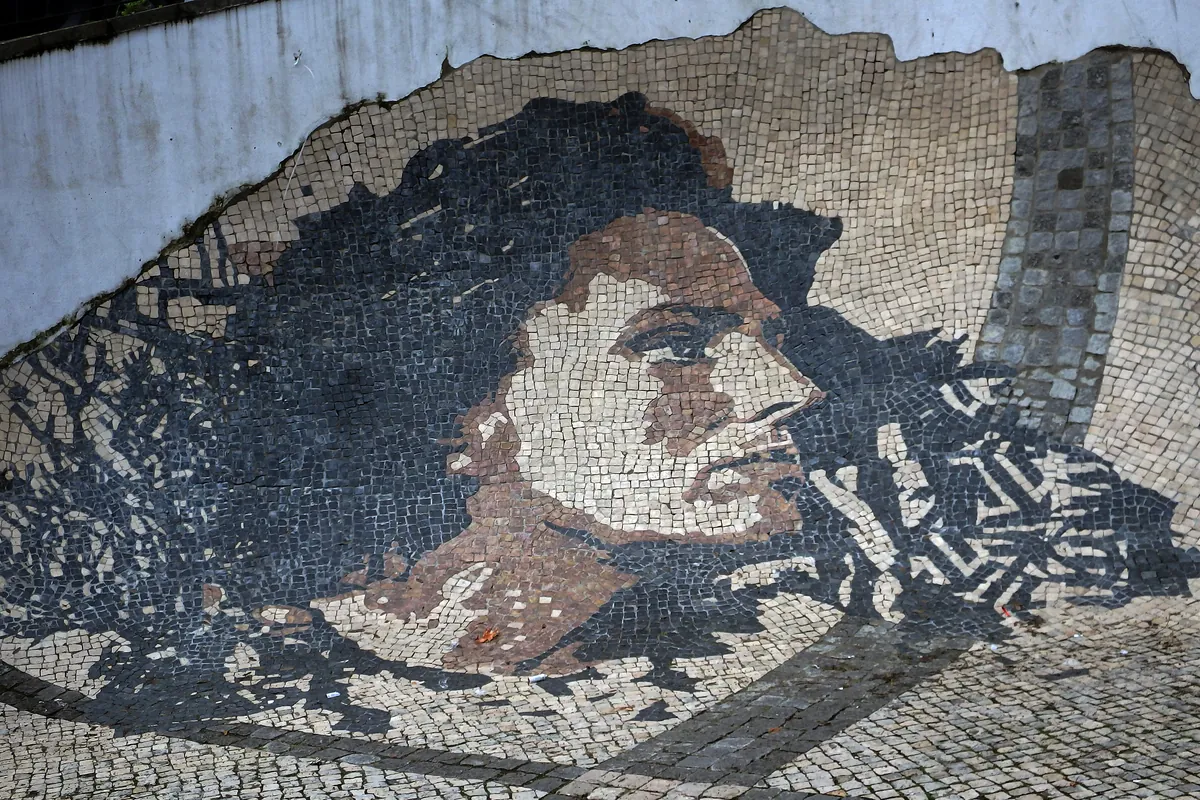
Lisbon's is the style most people know, and Wikipedia credits much of that to Amália Rodrigues, the Queen of Fado, who took it round the world. Coimbra's is a university custom for male singers in academic dress. On 27 November 2011 fado entered UNESCO's intangible cultural heritage lists.
How to listen in a small room
Let the first song settle before judging. Notice how the singer breathes, how the guitar answers, and how the room goes quiet between verses. A good fado room works through attention, so put your phone away and let the voice lead.
Frequently asked questions
Is fado always sad?
No. Wikipedia says it is popularly seen as mournful, but is a song form that can be about anything.
Do singers use microphones?
That depends on the room, and the listing does not say.
What is a fadista?
A fado singer.
Why do the strings look like a fan?
The Portuguese guitar uses watch-key tuners, arranged in a fan-like row on its head.
Sources
- English Wikipedia article: Fado de Coimbra (read 13 November 2026)
- English Wikipedia article: Saudade (read 13 November 2026)
- English Wikipedia article: Fado (read 13 November 2026)
- English Wikipedia article: Portuguese guitar (read 13 November 2026)
- English Wikipedia article: Amália Rodrigues (read 13 November 2026)
- UNESCO World Heritage page for the Historic Centre of Oporto (read 13 November 2026)